
HOME > Blog
Blog
 Data Collection
Embodied AI Data Collection: How to Collect Data for Embodied AI Systems
Embodied AI data cannot be scraped from the internet. How teleoperation, wearable capture, simulation, and pooled datasets actually stack up, and why the global data gap is bigger than the funding numbers suggest.
Read more Physical AI
Robot Training Data Collection: How to Build High-Quality Training Data
More hours of robot demonstrations rarely fixes a bad dataset. The four quality gates, annotation consistency, deliberate diversity, and real validation, that separate training data that teaches a working policy from data that teaches noise.
Read more Physical AI
Teleoperation Data Collection: How Human Demonstrations Train Robots
Teleoperation data collection puts a human directly inside the robot's own action space, which is why it remains the highest-fidelity source for training manipulation policies. The hardware tiers, real throughput numbers, and where the cost actually goes.
Read more Physical AI
Edge Case Data Collection for AI: Capturing Rare Scenarios for Safer Robots
Most fleets drown in footage that teaches a model nothing new. Edge case data collection is the deliberate practice of finding, triggering, staging, and simulating the rare scenarios that actually decide whether a robot is safe.
Read more Physical AI
Sensor Data Collection for Robotics: Capturing the Data Robots Need to Learn
Picking a sensor is the easy part. The real work of sensor data collection is wiring camera, depth, LiDAR, IMU, force-torque, and tactile streams onto one clock before a single frame is recorded.
Read more Physical AI
Synthetic Data vs Real-World Data for Robotics: Which Is Better for Training?
Co-training on synthetic and real data beats either alone, so the real question is how much synthetic data you can safely lean on. A five-rung ladder for deciding the mix, keyed to how much real data you have and how contact-rich your task is.
Read more Physical AI
Data Collection for Humanoid Robots: What Data Do Humanoids Need to Learn?
A humanoid is not a robot arm with legs attached. The five kinds of data a humanoid policy needs that arms, quadrupeds, and mobile manipulators never do, and which of them simulation can actually carry.
Read more Physical AI
Data Quality in AI Training: How to Improve Physical AI Training Data
A one-time cleanup will not keep a robot dataset good. This is a six-stage loop for raising the quality of a dataset you already have: audit, score, version, remediate, re-validate, and monitor, with the metrics to track at each stage.
Read more Physical AI
Multimodal Data Collection for Physical AI: Sensors, Video, and Motion Data
Combining sensors, video, motion, and language into one physical AI dataset is not a capture problem, it is an alignment problem. Here is the five-stage breakdown of where multimodal programs actually fail, with real numbers from the research.
Read more Physical AI
Robot Demonstration Data: How Real-World Actions Train Intelligent Robots
A robot demonstration is not a video clip. It is a structured bundle of synchronized observations, action labels, phase boundaries, and outcome flags built to be consumed by a training pipeline, not watched. Here is what is actually inside one.
Read more Physical AI
 vs Embodied AI: How They Power Intelligent Robotics
Physical AI vs embodied AI, explained: where the terms overlap, where they split, and why the difference changes your robot data plan and vendor choices.
Read more Physical AI
 Use Cases: Real-World Applications in Robotics
Physical AI use cases ranked by real deployment evidence: robotaxis, warehouse fleets, humanoids, and factory arms, plus the data behind each one.
Read more Physical AI
 Datasets: Types, Examples, and Their Role in Robot Training
A practical guide to physical AI datasets: the main types, real examples like DROID and Open X-Embodiment, and why public data rarely covers your robot.
Read more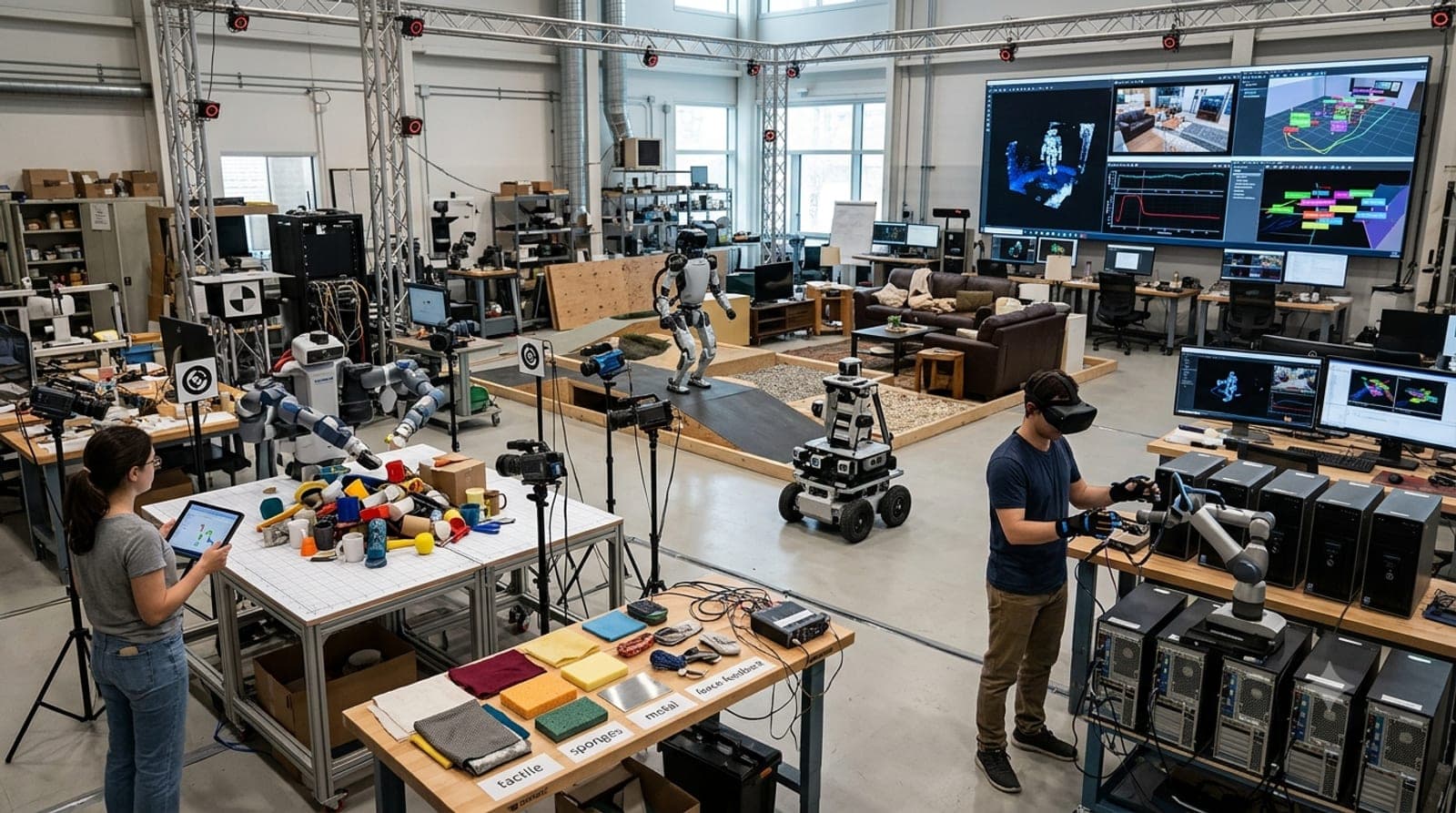 Physical AI
The Future of Physical AI: Emerging Trends in Robotics
Where physical AI is heading: six shifts in robotics and autonomous systems, the signposts that prove each one, and what they mean for robot data teams.
Read more Physical AI
 vs Digital AI: Key Differences, Applications, and Examples
Physical AI vs digital AI: five differences that change how models are built, trained, and tested, with real examples from robotics, robotaxis, and LLMs.
Read more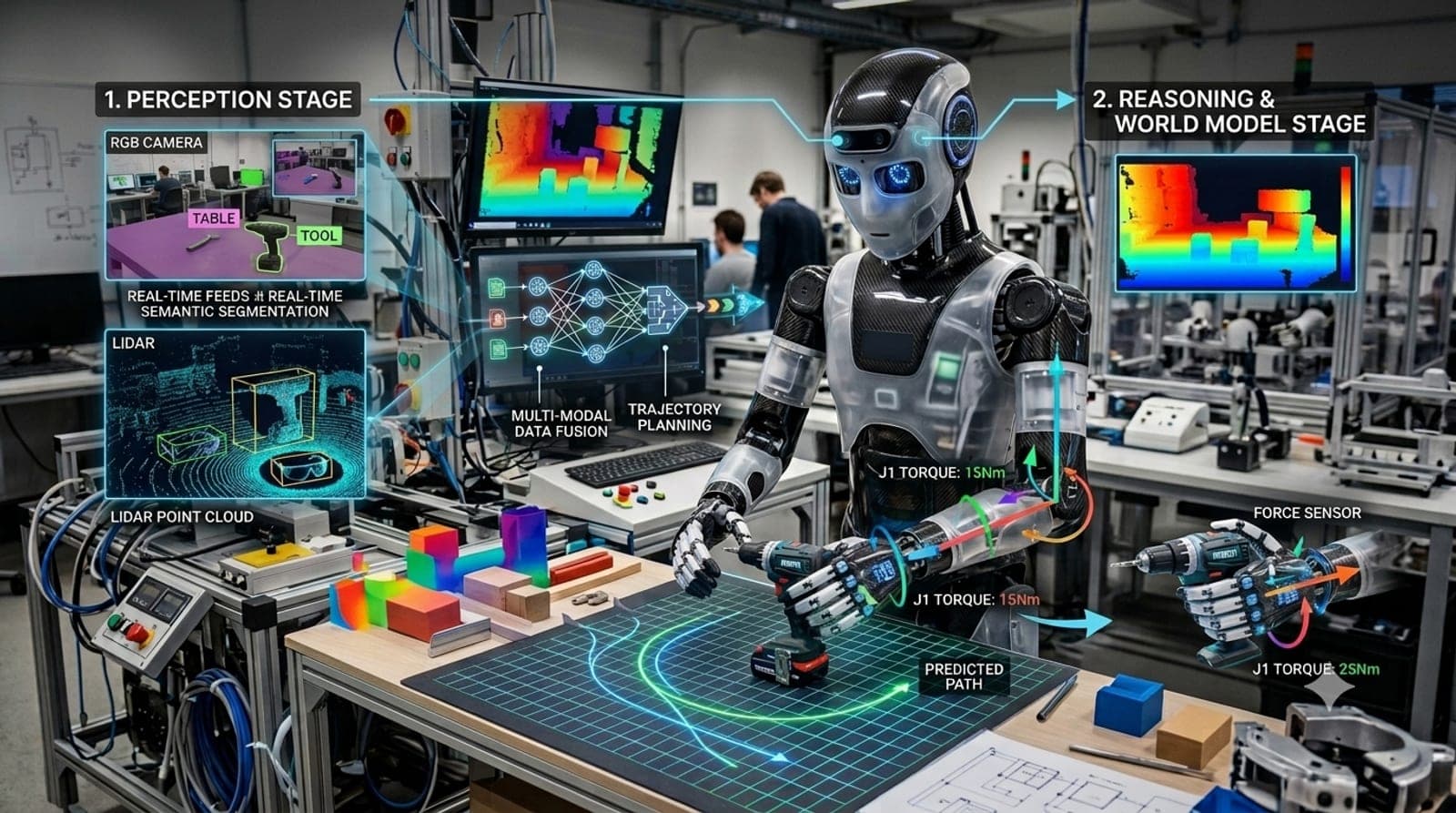 Physical AI
How Physical AI Works: From Perception to Real-World Action
How physical AI works, step by step: sensing, perception, planning, action, control, and learning, traced through one real warehouse task from start to end.
Read more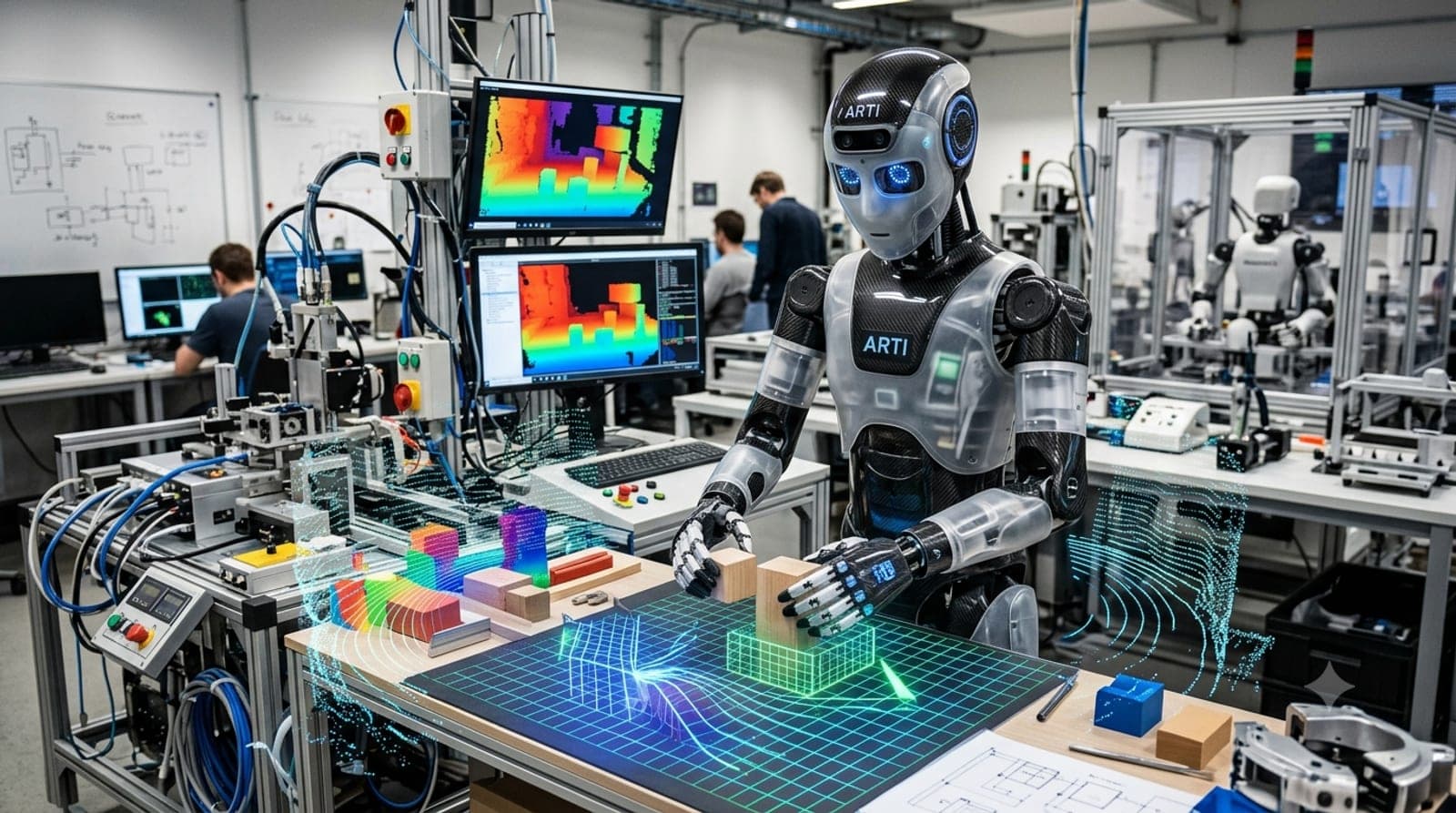 Physical AI
 Training: How to Teach AI Systems the Real World
How physical AI training actually works: a five-stage recipe from pretrained models to real demos, synthetic data, edge cases, and learning on the job.
Read more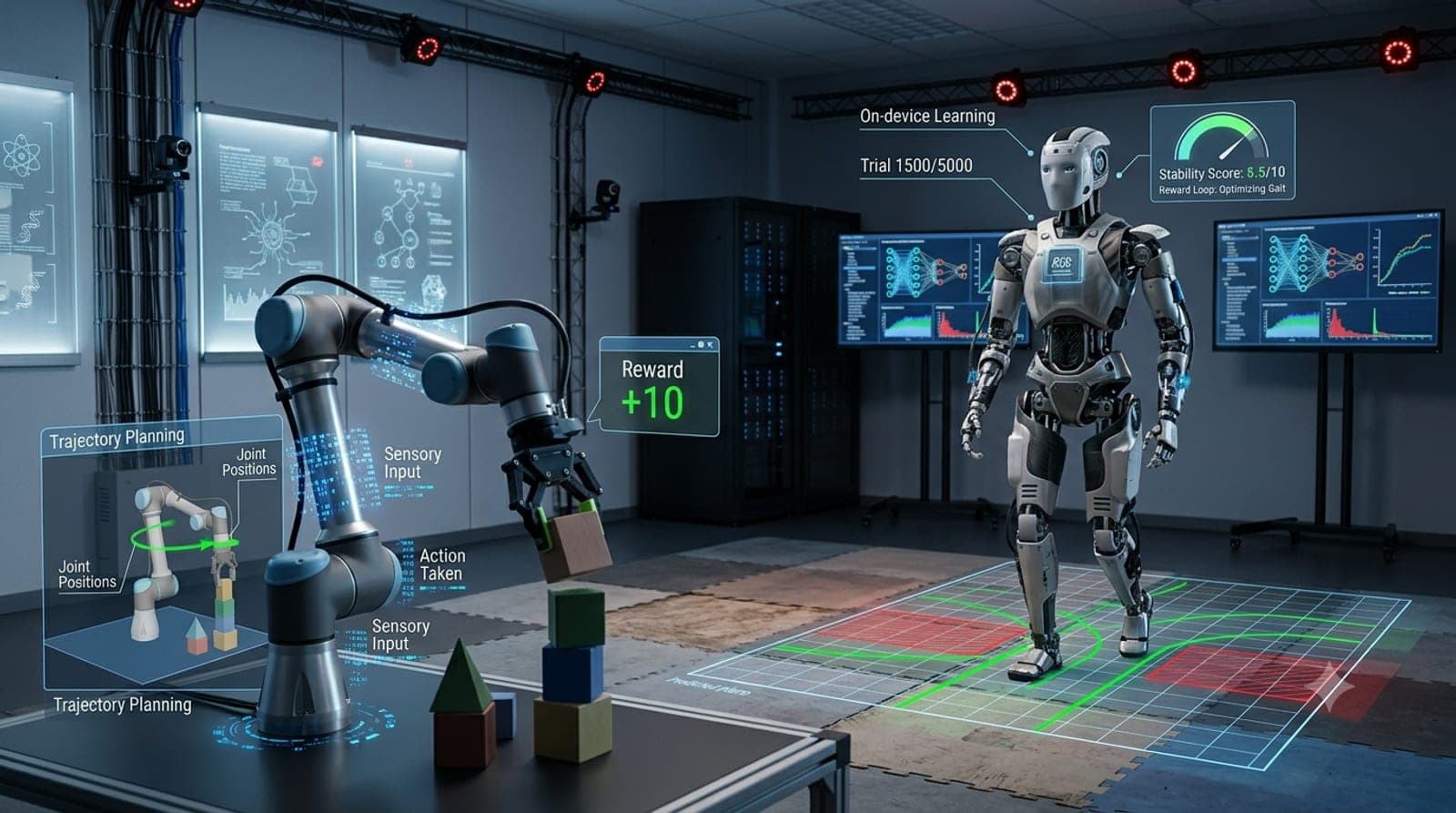 Physical AI
Reinforcement Learning in Physical AI: How Machines Learn by Doing
How reinforcement learning works in physical AI: why robots train in simulation, how sim-to-real transfer works, and why RL now polishes imitation models.
Read more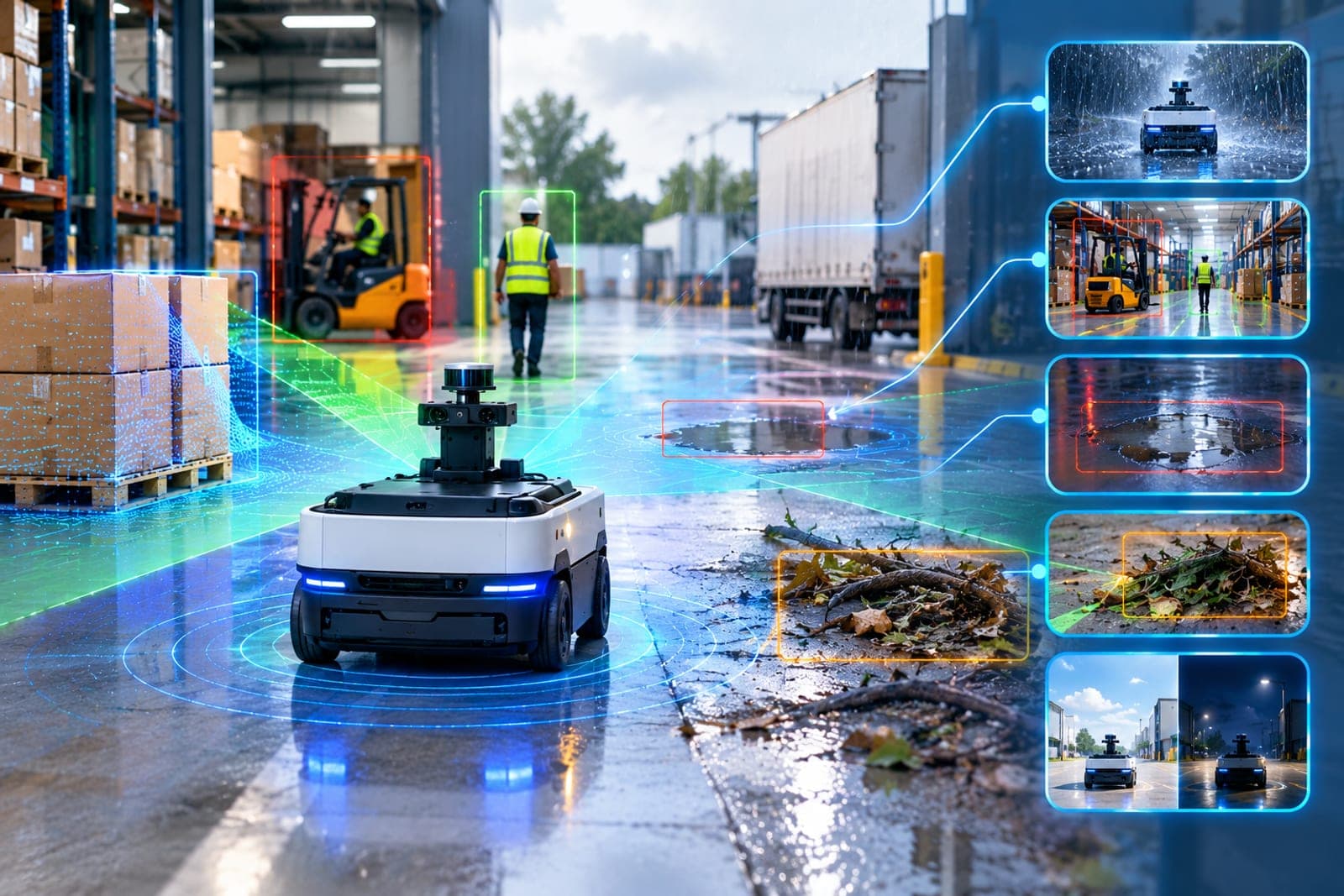 Physical AI
How Physical AI Handles Unpredictable Real-World Environments
Why robots fail in messy real-world environments, the five sources of surprise, and the data, runtime, and site design choices that make physical AI robust.
Read more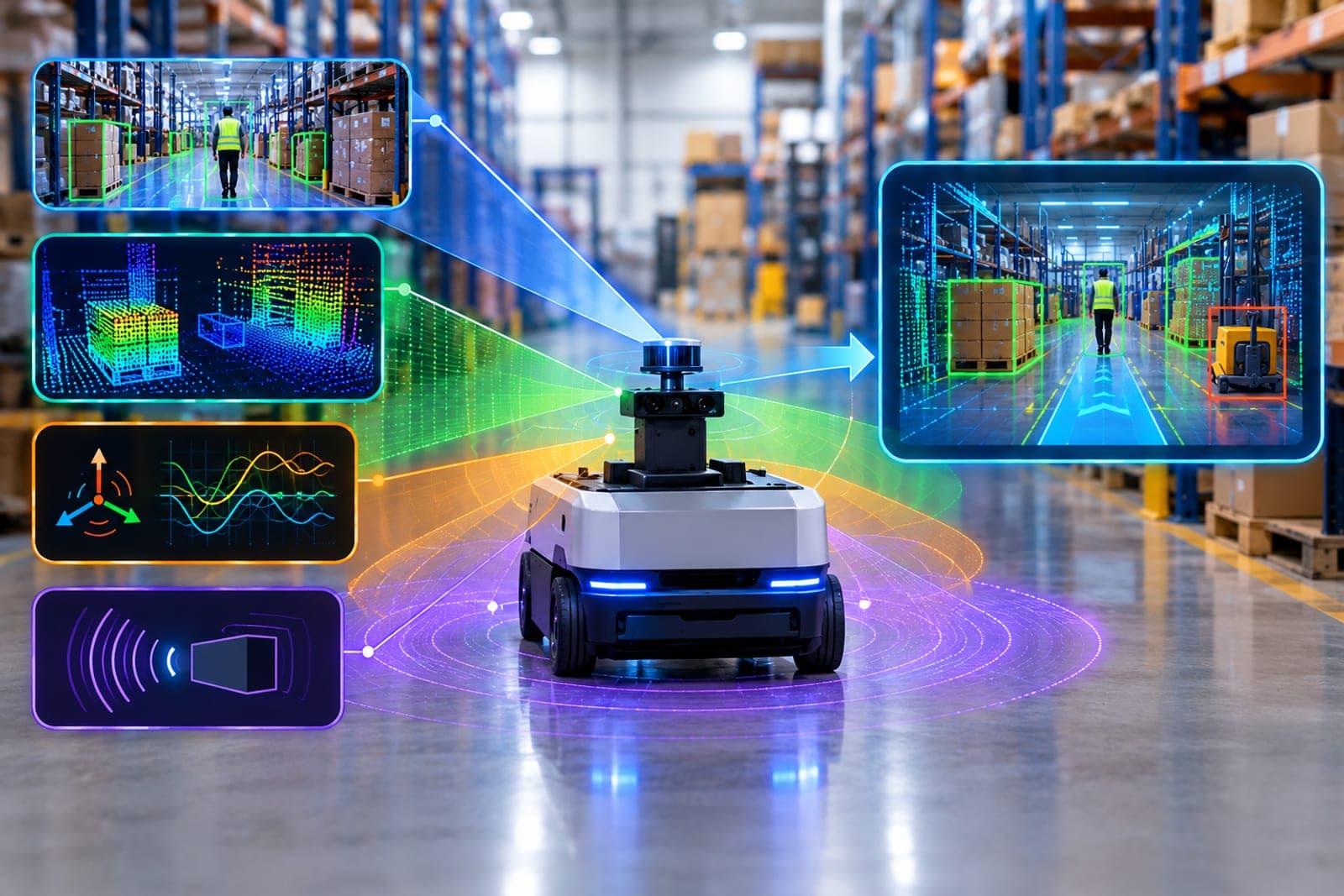 Physical AI
Sensor Fusion in Physical AI: Combining Vision, Motion, and Sensor Data
How sensor fusion works in physical AI: what cameras, lidar, radar, and touch each add, why fusion fails at capture time, and how to make data fusion-ready.
Read more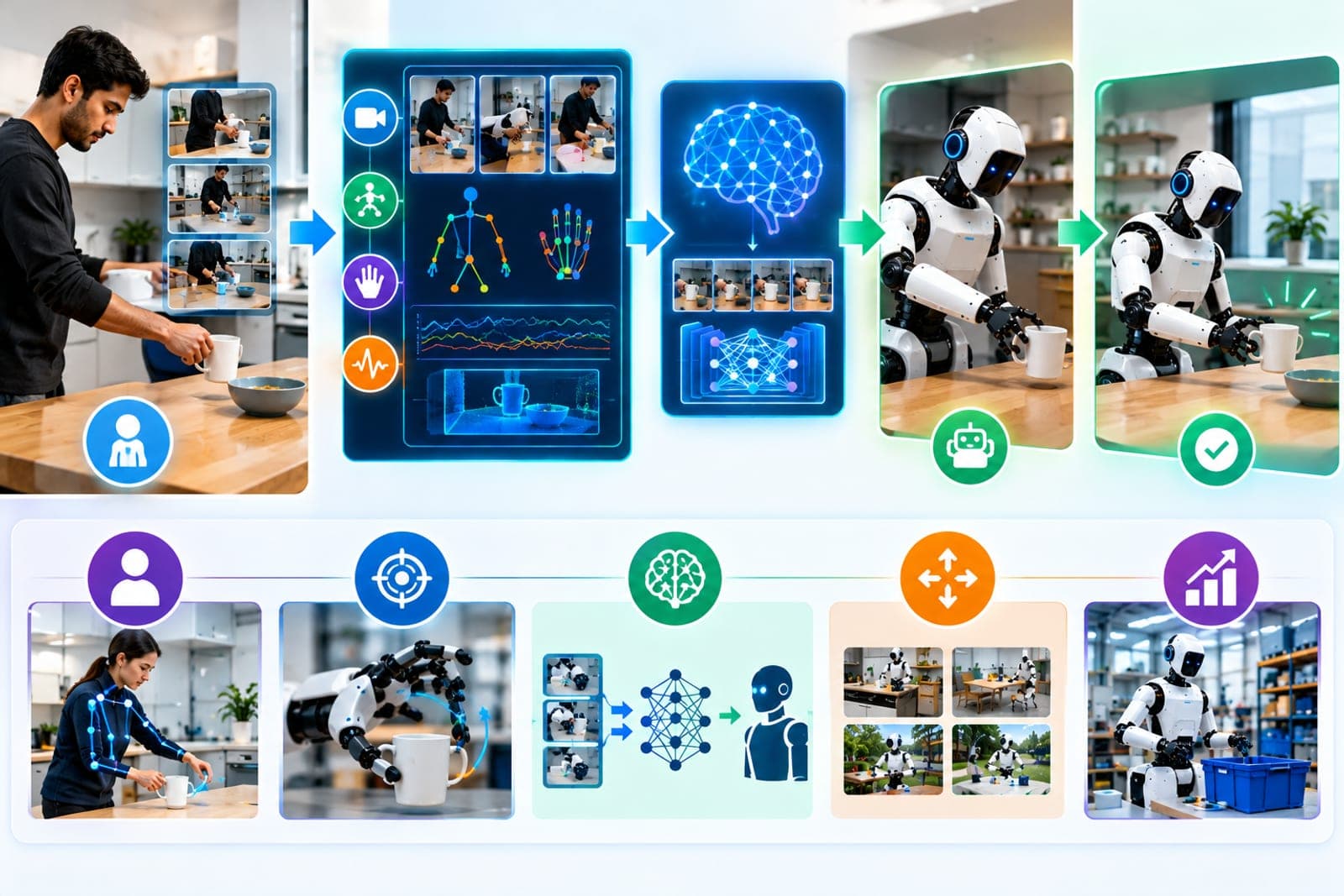 Physical AI
The Role of Human Demonstrations in Training Intelligent Robots
How human demonstrations train intelligent robots: teleoperation, kinesthetic teaching, handheld grippers, video, and why operator consistency matters most.
Read more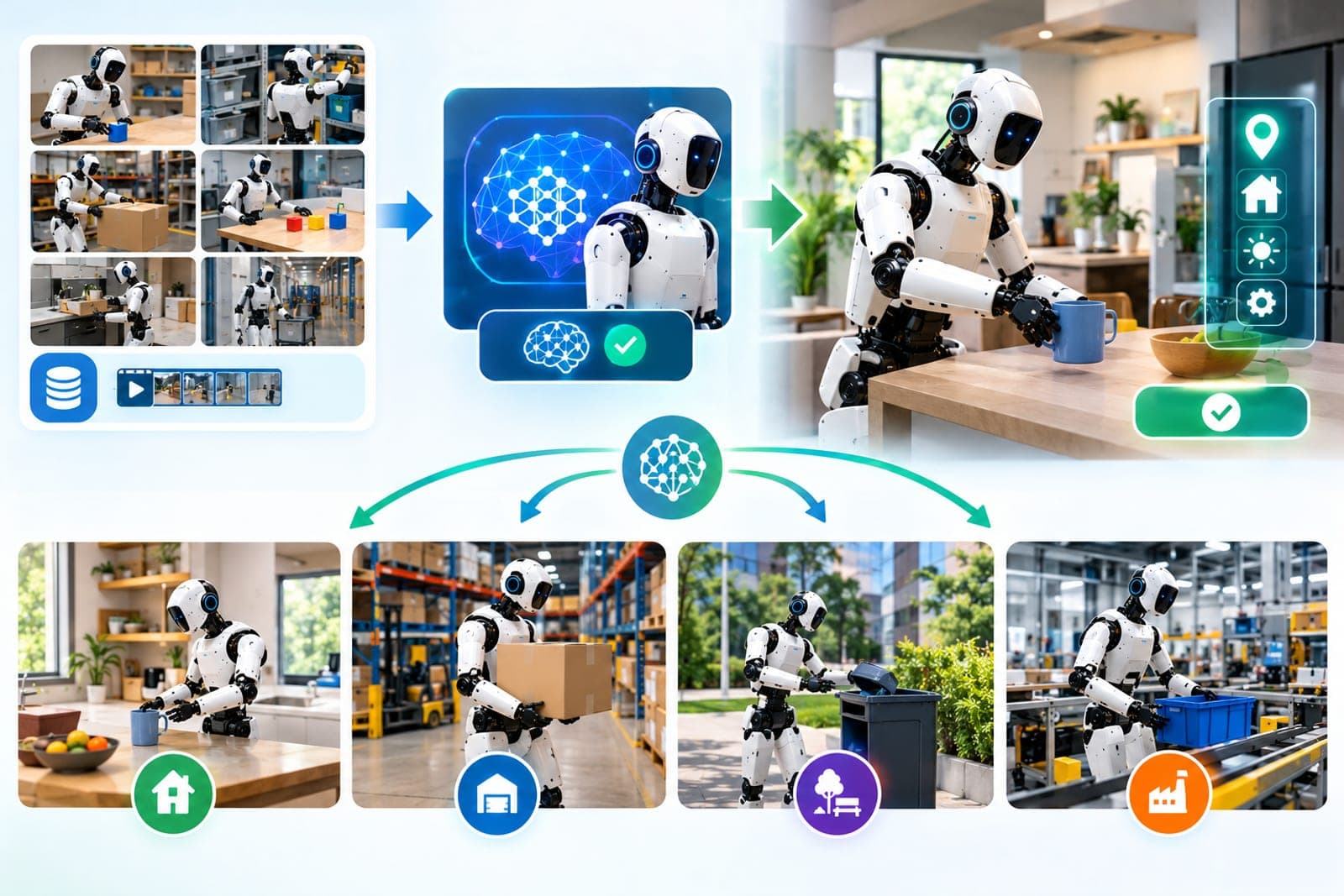 Physical AI
Generalization in Physical AI: Helping Robots Adapt to New Places
What generalization in physical AI really means, the five levels robots must climb, the data that unlocks each one, and how to test it before deployment.
Read more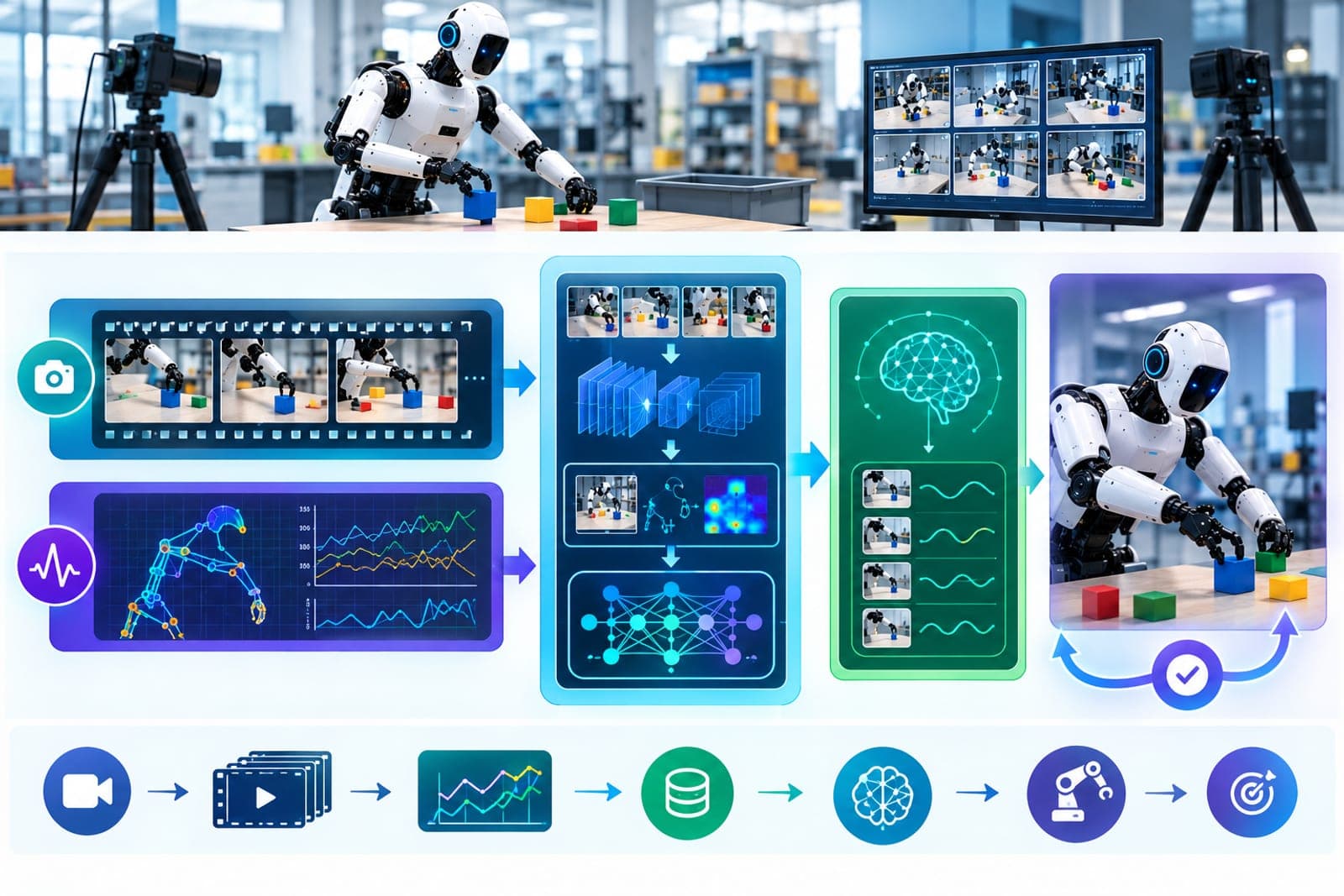 Physical AI
How Physical AI Processes Video and Motion Data to Learn Tasks
How physical AI turns video and motion data into robot skills: what video can and can't teach, the video-to-action gap, and how capture rigs close it.
Read more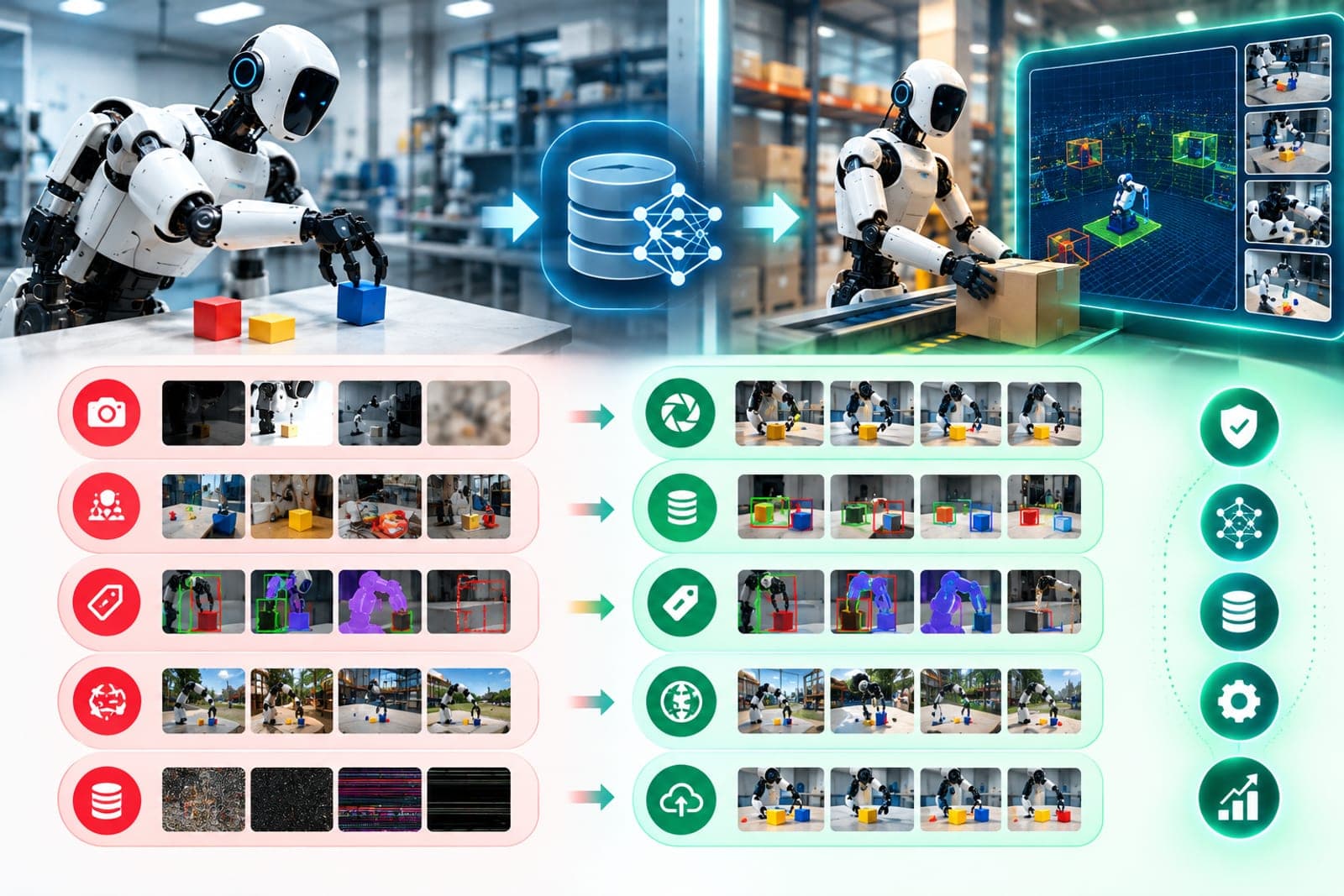 Physical AI
Data Quality Challenges in Physical AI Training and How to Solve Them
The data quality problems that quietly break physical AI training, the policy symptoms each one causes, and where in the pipeline to catch them cheaply.
Read more Physical AI
10 Best Data Collection Companies for Robotics and Embodied AI
Robot data buyers waste budget on hours they cannot use. Compare 10 data collection companies for robotics and embodied AI, with fit, limits, and real pricing.
Read more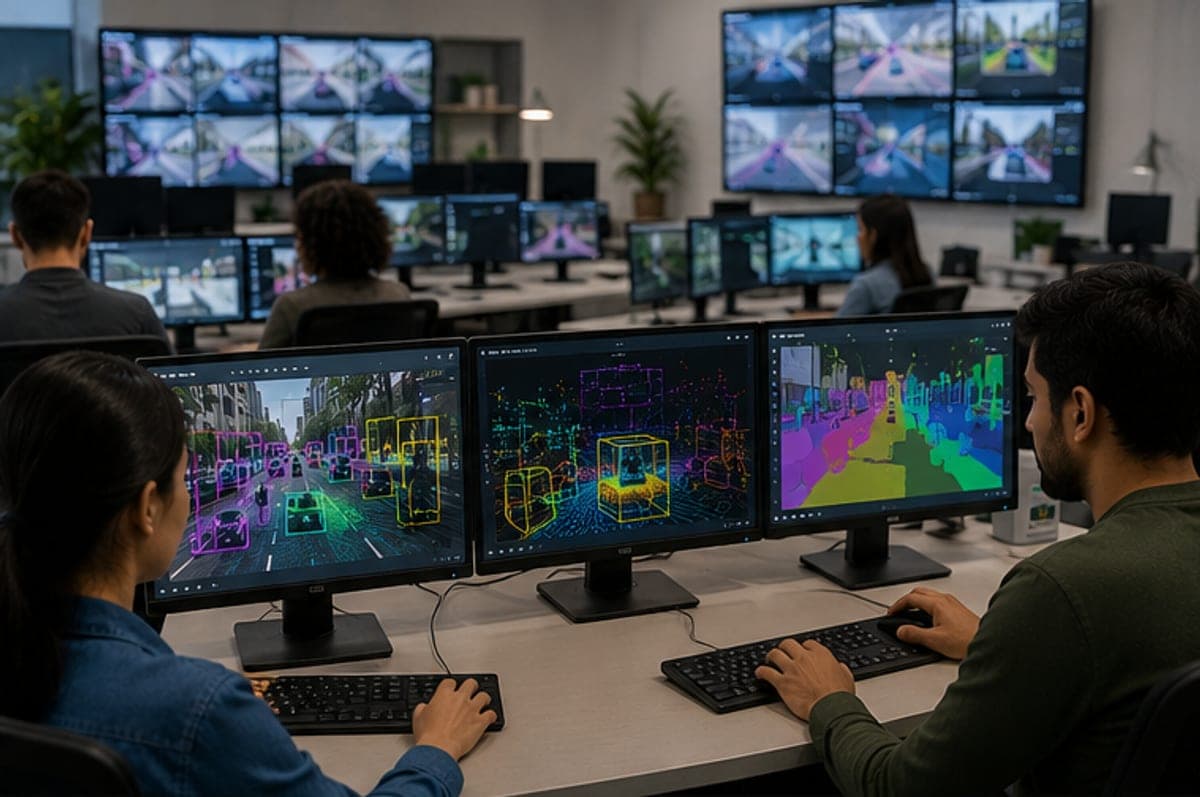 Data Annotation
10 Best Data Annotation Companies and Services
The cheapest annotation vendor is often the most expensive. Compare 10 data annotation companies by cost per surviving label, plus pricing and fit.
Read more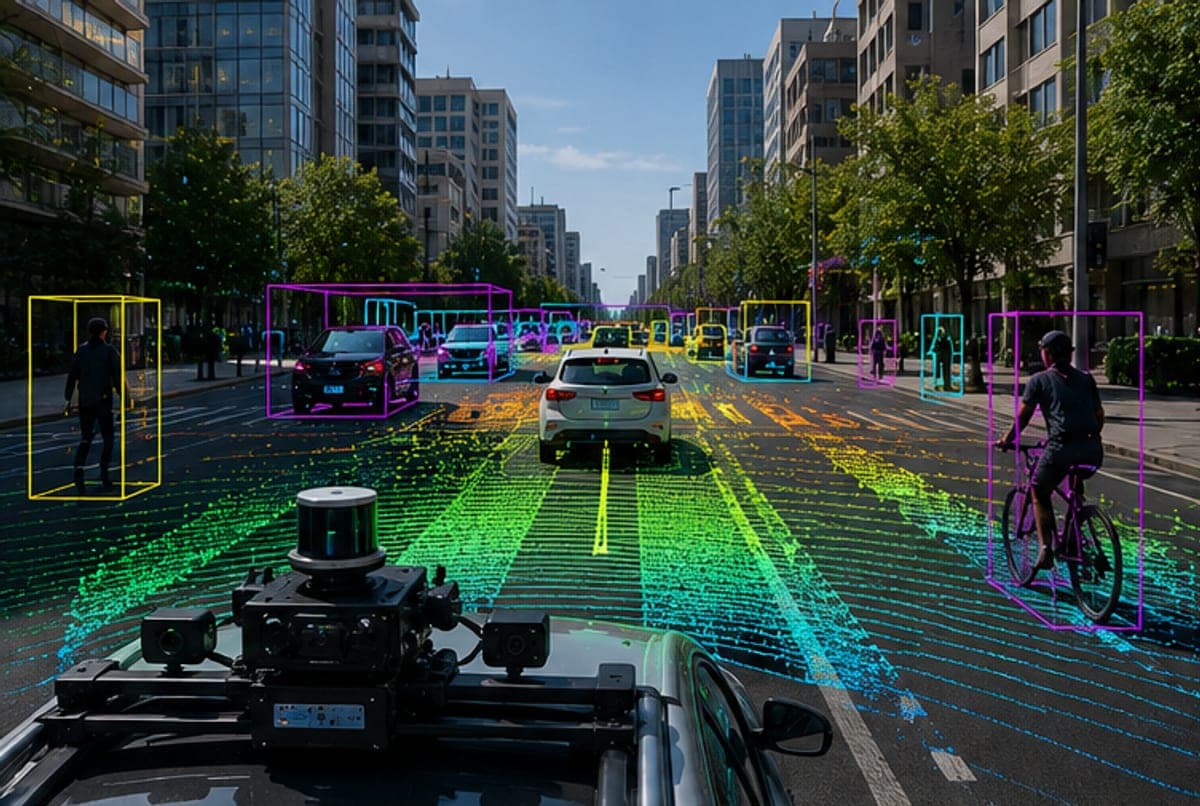 Physical AI
10 Physical AI Data Collection Companies to Know in 2026
Most physical AI data companies are under two years old and cannot name a customer. Here are 10, mapped by capture method and read against receipts.
Read more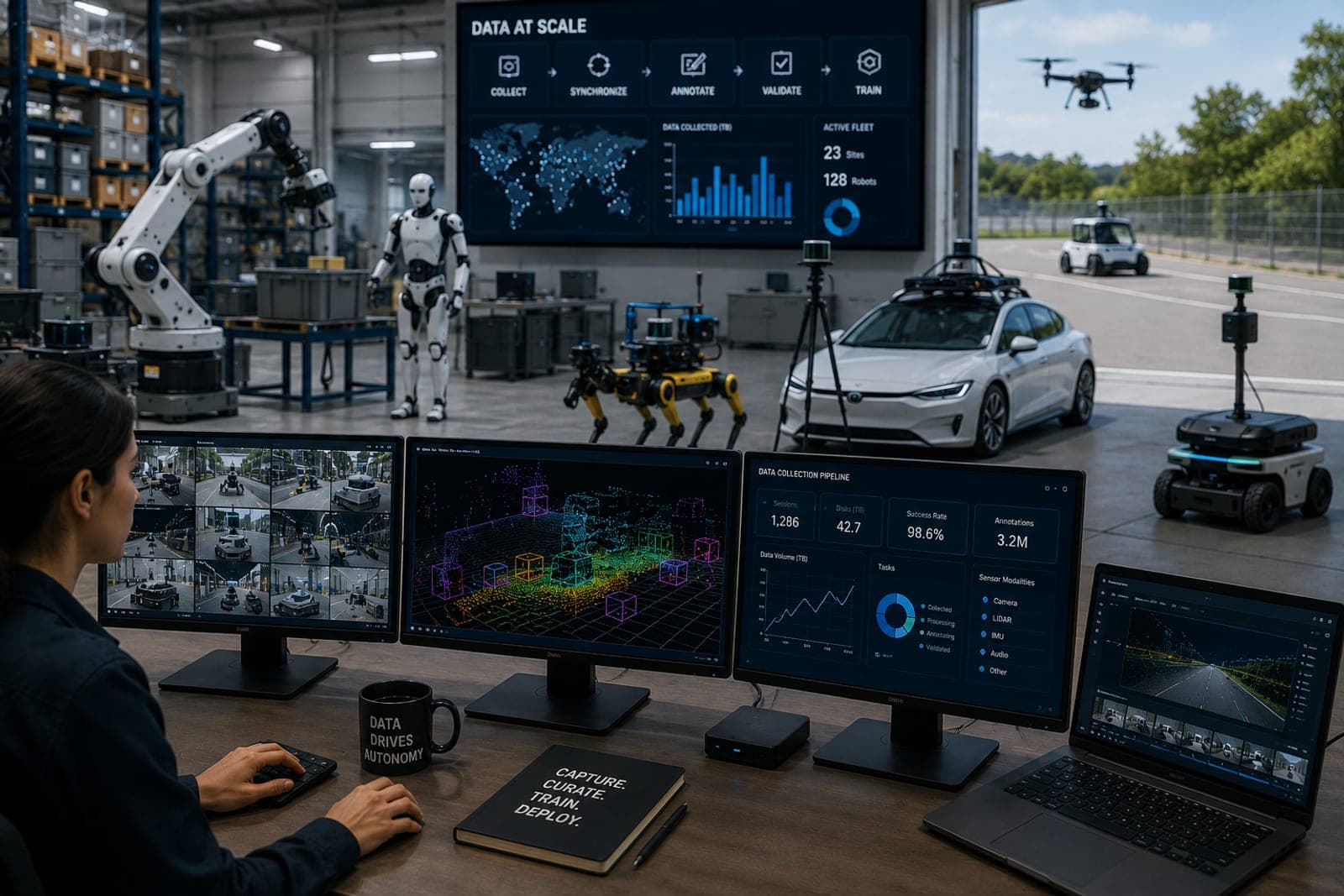 Physical AI
Robotics Data Collection at Scale: Challenges, Tools, and Best Practices for 2026
Scaling robot data is a variance problem, not a volume problem. The 2026 tool stack, the diversity budget, real cost benchmarks, and what breaks first.
Read more Data Annotation
In-House vs. Outsourced Data Annotation Services: What's Right for Your Team?
Build or buy is the wrong question. Split annotation into five layers, decide each one separately, and see the real cost math most teams get wrong.
Read more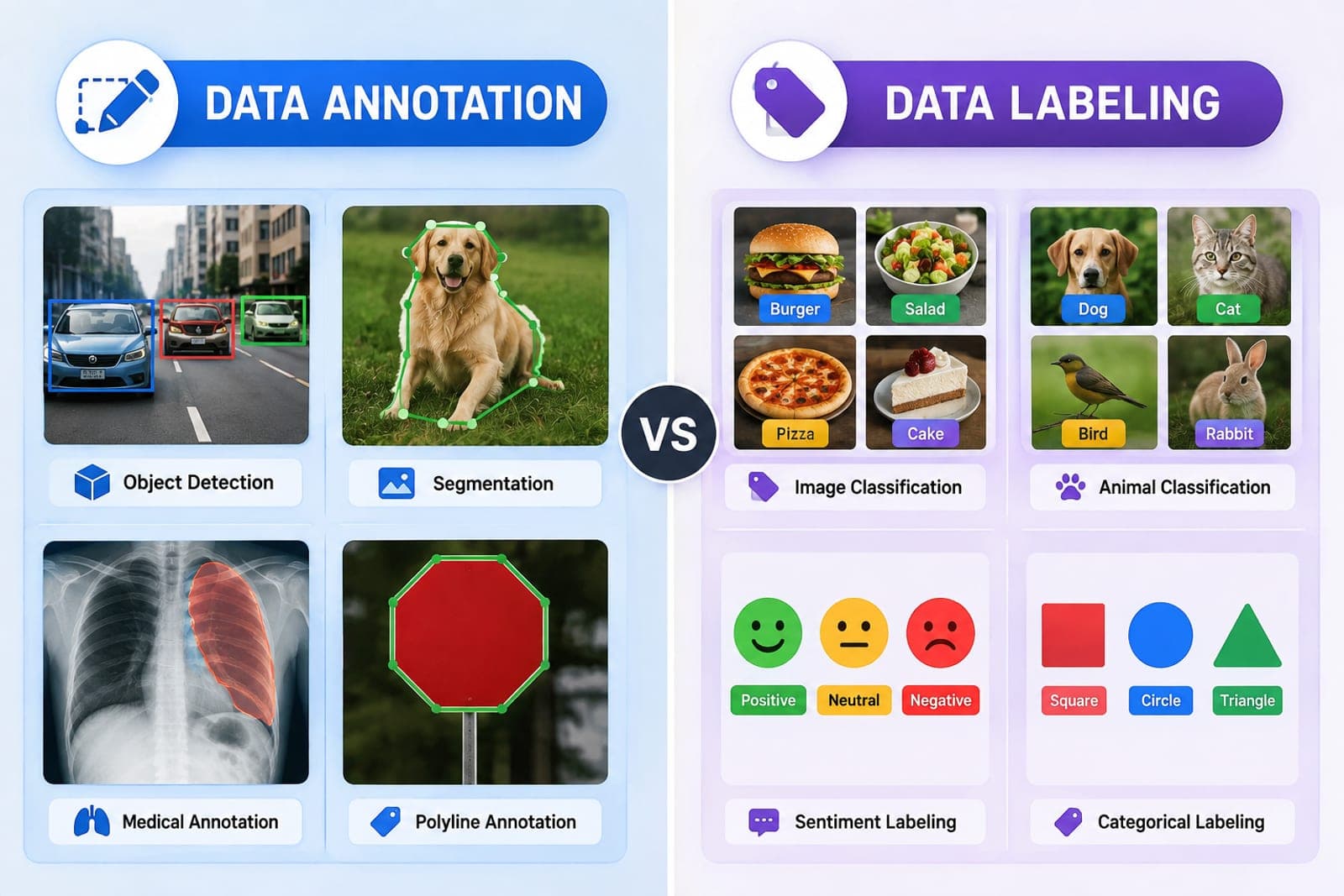 Data Annotation
 vs Data Labeling: What You Need to Know
Everyone says annotation is broader than labeling. True, and useless for scoping work. The axis that actually changes your cost, QA, and hiring.
Read more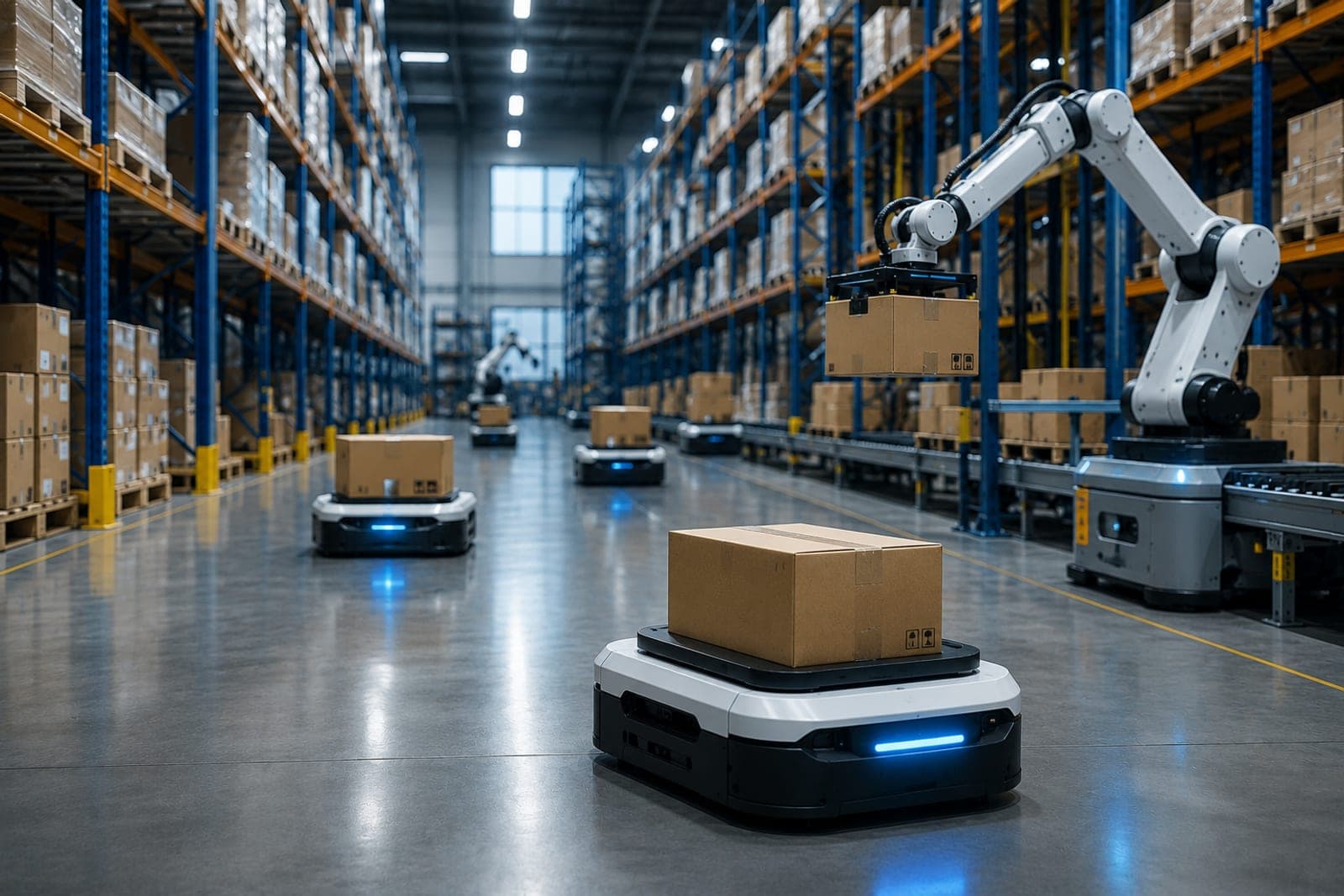 Physical AI
 in Logistics: Why Warehouses Are the First Battleground
Warehouses became physical AI's first proving ground. What's actually deployed, what the throughput math really shows, and why the building won first.
Read more Physical AI
 in Healthcare: How Robots Are Entering Hospitals and Elder Care
Hospital robots fail for social reasons more than technical ones. What's deployed in wards and elder care, what the evidence shows, what teams miss.
Read more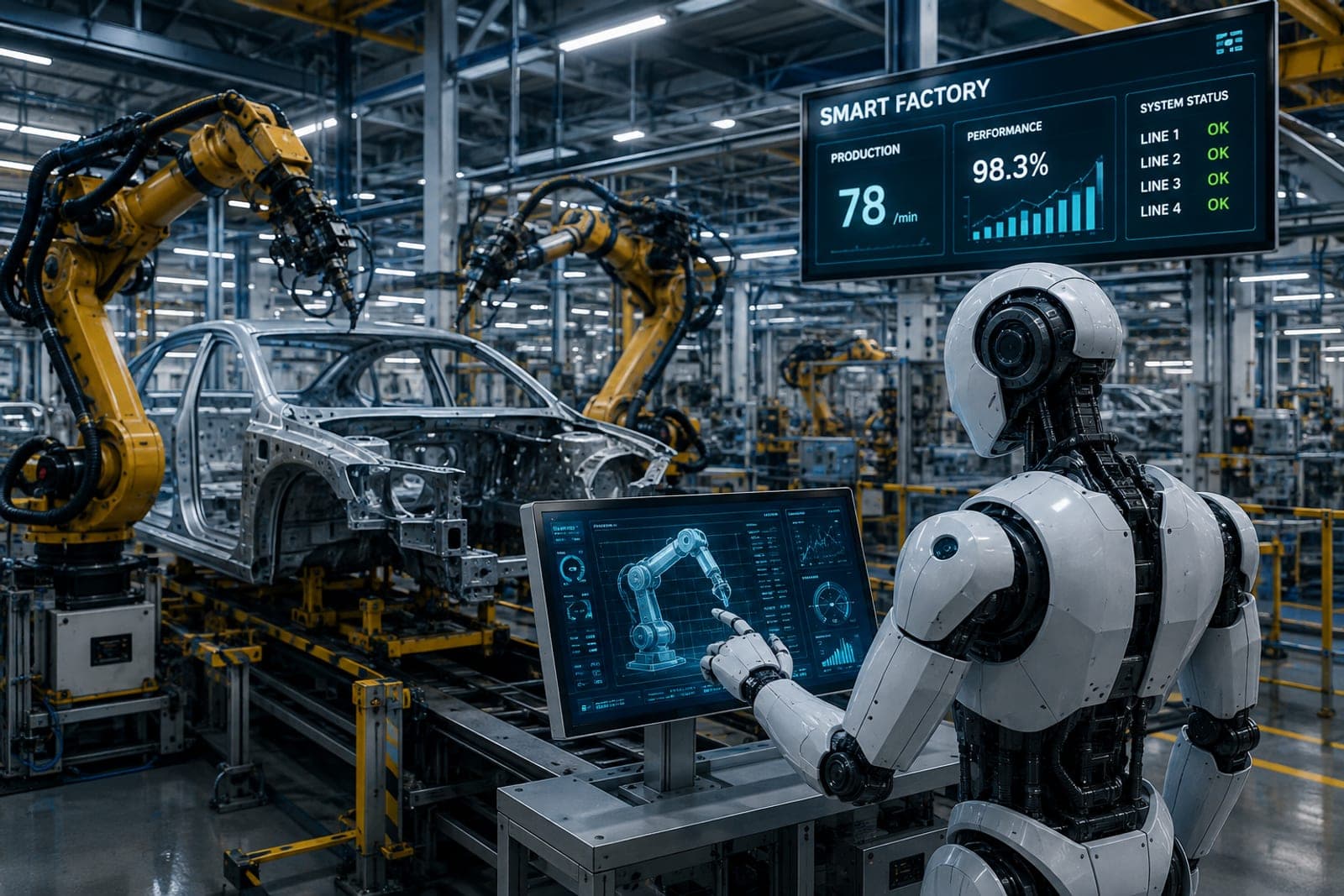 Physical AI
 in Manufacturing: How Smart Factories Are Being Rebuilt Around Robots
Smart factories are being re-architected, not just automated. What BMW's humanoid pilot proved, and why the data spine matters more than the robot.
Read more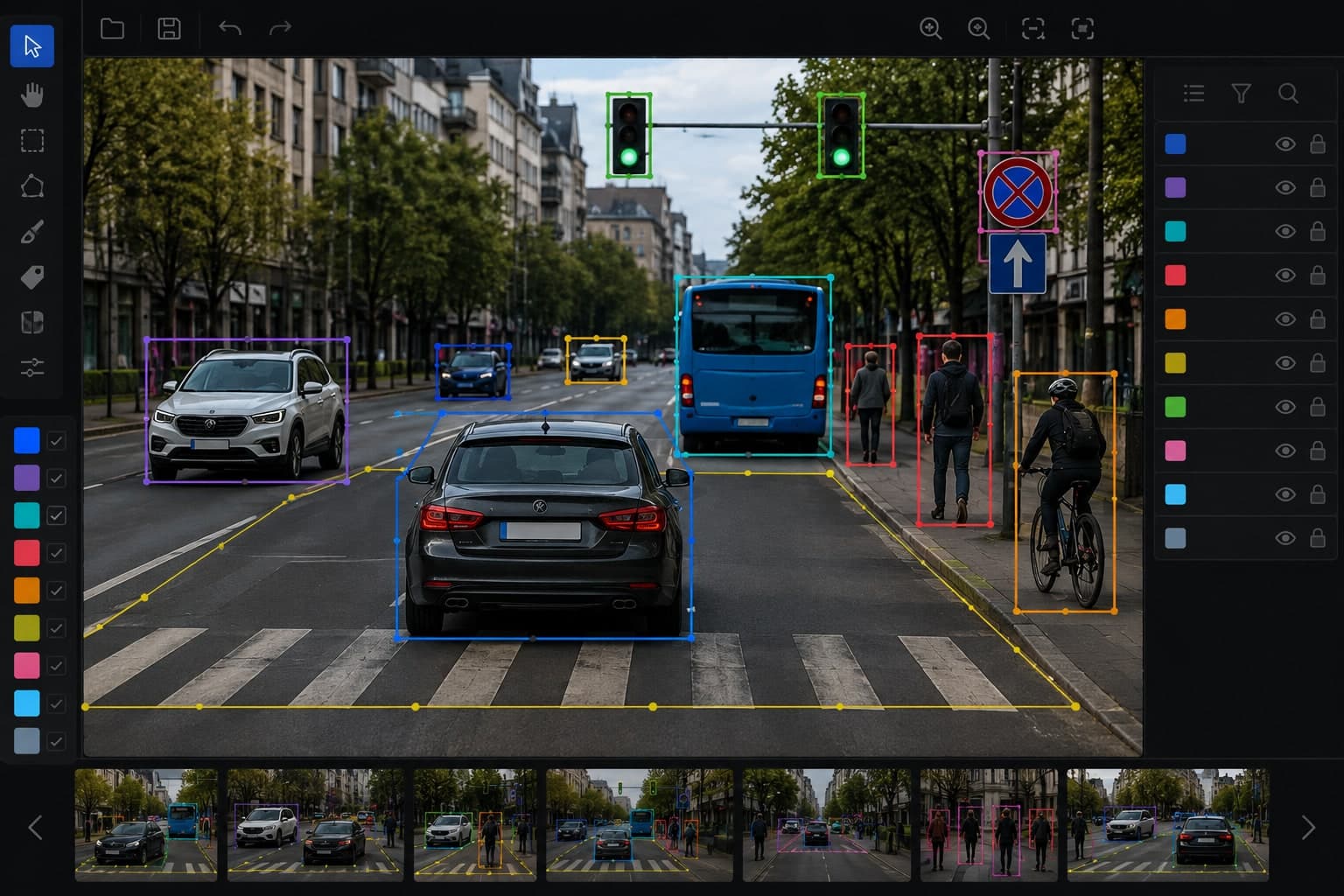 Data Annotation
What is data annotation, and why does it decide whether your model actually works?
Data annotation turns raw images, video, text, and sensor data into labels AI models can learn from. Here's how it actually works, and what most guides skip.
Read more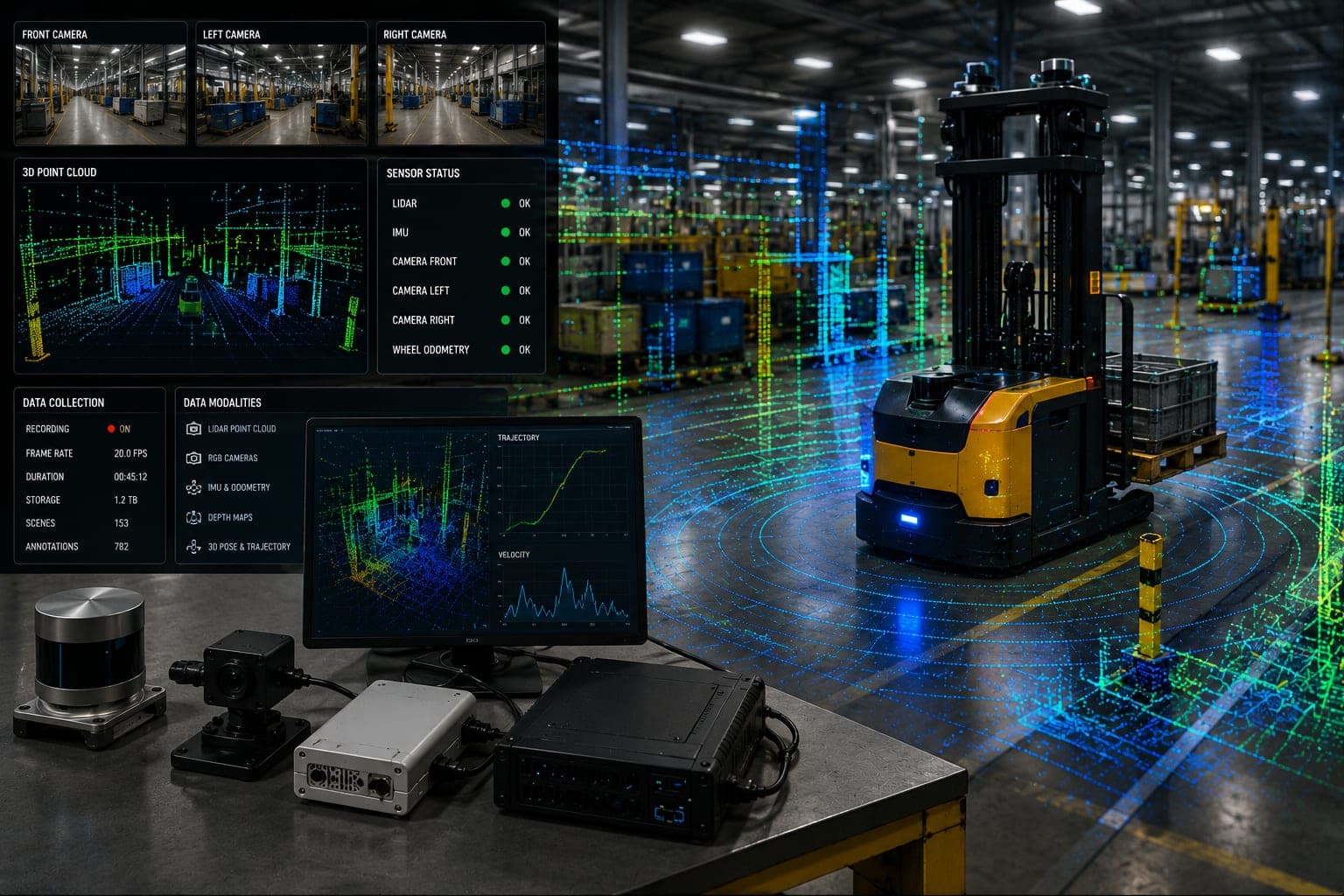 Physical AI
Data Collection in the Automotive Industry: The Real Bottleneck
Automotive data collection isn't failing from lack of volume. It's failing because perception, telematics, quality, and cabin data never learned to talk to each other.
Read more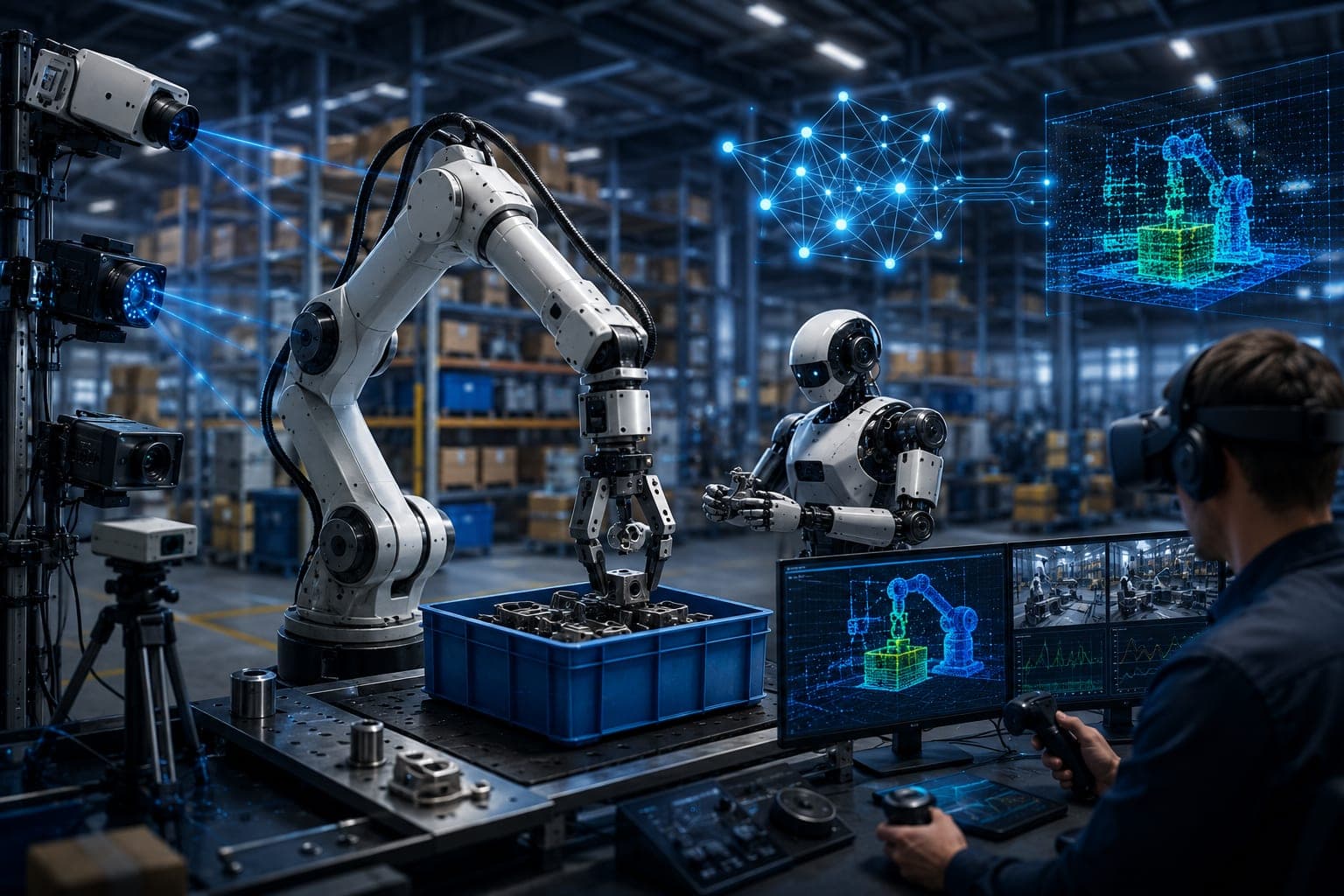 Physical AI
Data Collection for Robotics: The Work Nobody Sees
Most robot policies fail because of bad data, not bad models. Here is how teleoperation, kinesthetic teaching, and human video actually work in the field.
Read more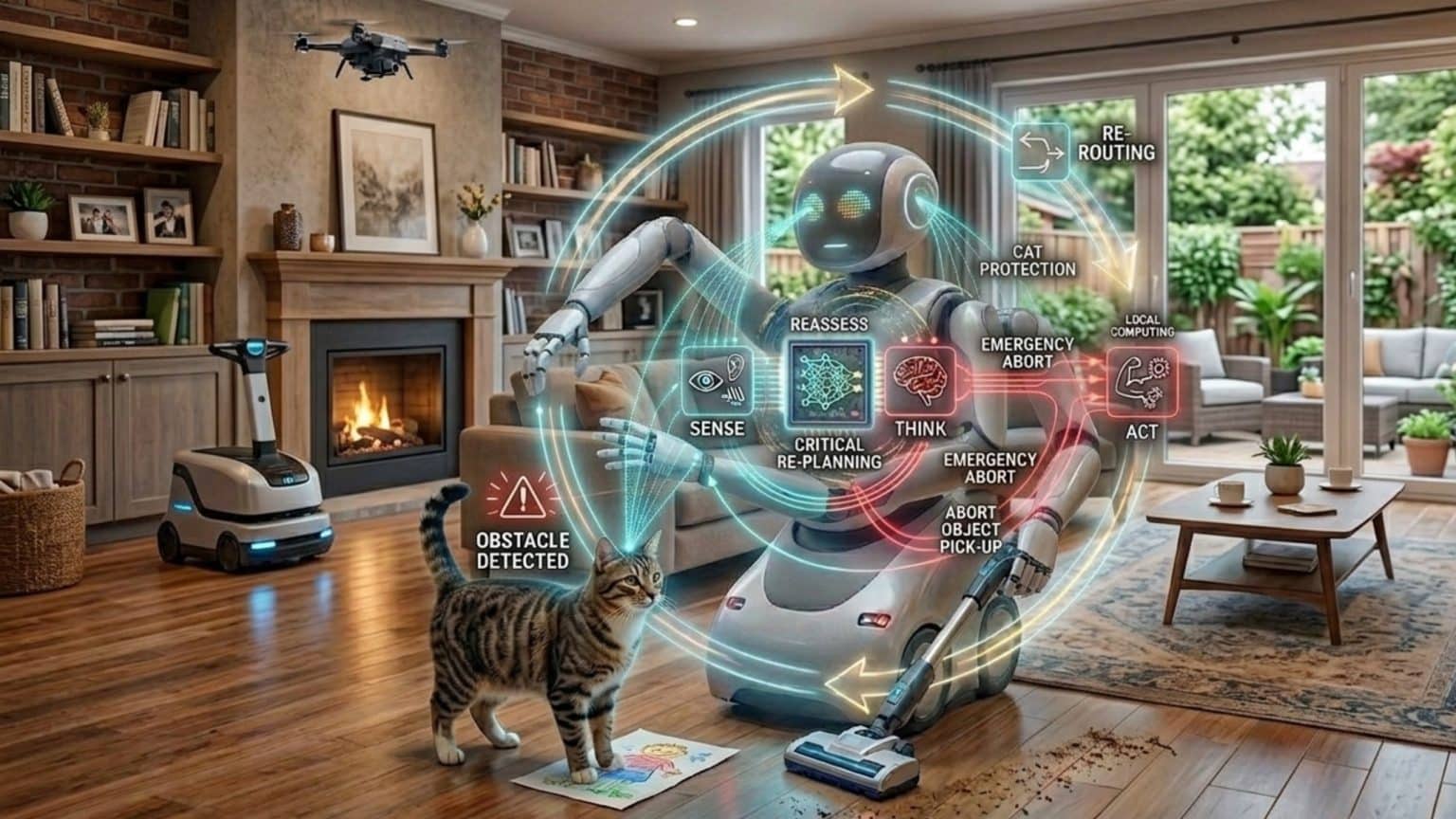 Physical AI
What Is Physical AI? A Clear Guide to AI That Acts in the Real World
Physical AI is AI that senses, reasons, and acts in the real world. See how it works, where it runs today, and why 2026 is its turning point.
Read more Physical AI
How Physical AI Is Powering Next-Generation Robotics
Physical AI is moving robots from scripted machines to adaptive systems that perceive, reason, and act in the real world. Here is how it works, where it is already paying off, and what to plan for.
Read more AI
How AI Is Transforming Industrial Simulation
From factory floors to autonomous vehicles — discover how AI-powered simulation is accelerating product development, reducing costs, and enabling safer testing in industries worldwide.
Read more